The Species
About Channel Catfish
Channel catfish are the most common catfish in North America and a staple of South Bay fishing. They're not glamorous — they don't jump, they don't have the cult following of bass — but a big channel cat on the end of your line is an absolute freight train. Fish pushing 10–15 pounds are regularly pulled from Calero, Coyote Lake, and Almaden.
Catfish are primarily nocturnal, using their extraordinary sense of smell to hunt in low-light conditions. They're most active from dusk through the early morning hours. During the day, they hold in deep holes, near the dam face, and along deep channel edges. The good news: catfishing requires minimal gear and very little technique — bait it, cast it, set it down, and wait.
How to Catch Them
Baits, Rigs & Techniques
Prepared catfish dough baits and stink baits are effective and easy to use. Pack it onto a treble hook or sponge hook.
The classic. Smelly, messy, and devastatingly effective. Use a mesh or treble hook to keep it on.
Large nightcrawlers on a single hook fished on the bottom. One of the cleanest and most effective catfish baits.
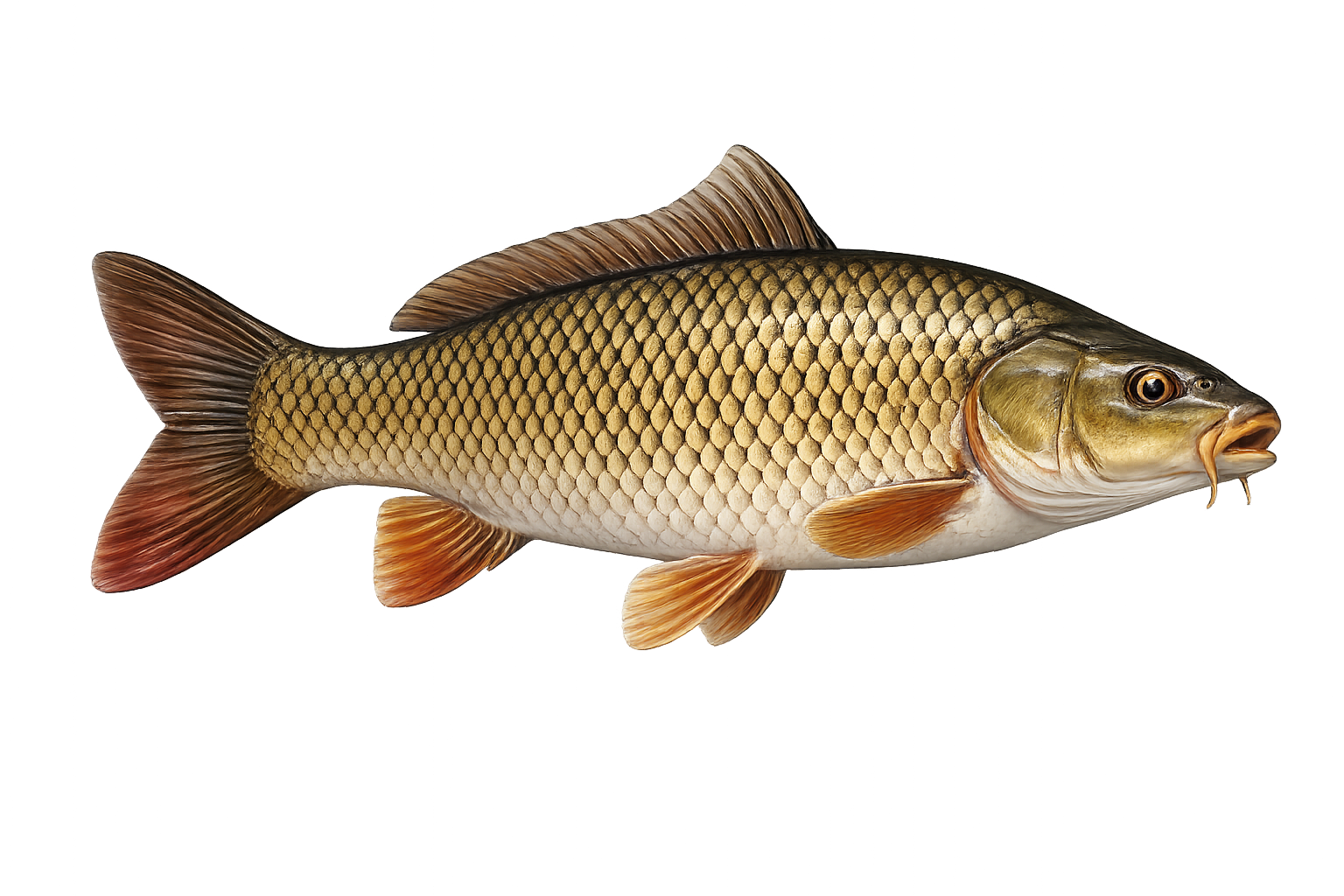
Cut pieces of carp, shad, or other oily fish. The oils disperse in the water and draw catfish from long distances.
Egg sinker on the main line above a swivel, with 12–18 inches of leader to a 2/0–4/0 hook. The go-to catfish rig.
Set up at dusk. Use a rod holder, a bell or bite alarm, and a headlamp. The bite typically peaks 9pm–midnight.
By Season
When to Target Them
Catfish become active as water warms above 55°F in March–April. They move shallower and bite aggressively.
The best catfish season. Warm water means active fish. Night fishing in summer is about as good as it gets.
Good catfish action through October as temperatures remain comfortable. Night bite stays productive.
Catfish slow down significantly in cold water but never fully stop. Cut bait near the dam on warmer afternoons still produces.
California Regulations
Rules to Know
- No statewide size limit for channel catfish
- Daily bag limit: 10 catfish per day statewide
- Mercury Do Not Eat advisories at Calero, Coyote Lake, and Almaden — catch-and-release strongly recommended
- Night fishing is permitted at some locations — check park-specific rules before setting up after dark
- Live bait restrictions at Santa Clara County reservoirs — confirm what's permitted locally
- California Sport Fishing License required for anglers 16 and older
Always verify at CDFW.ca.gov.
Where to Find Them